
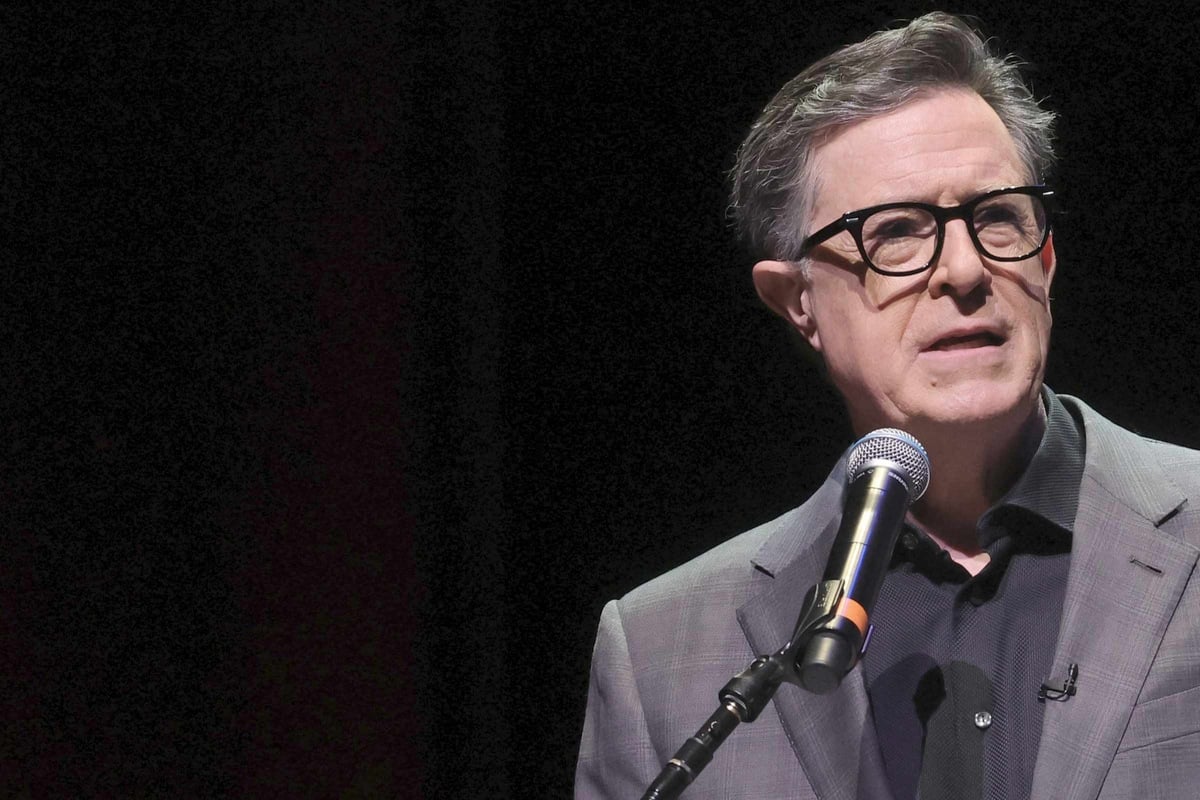
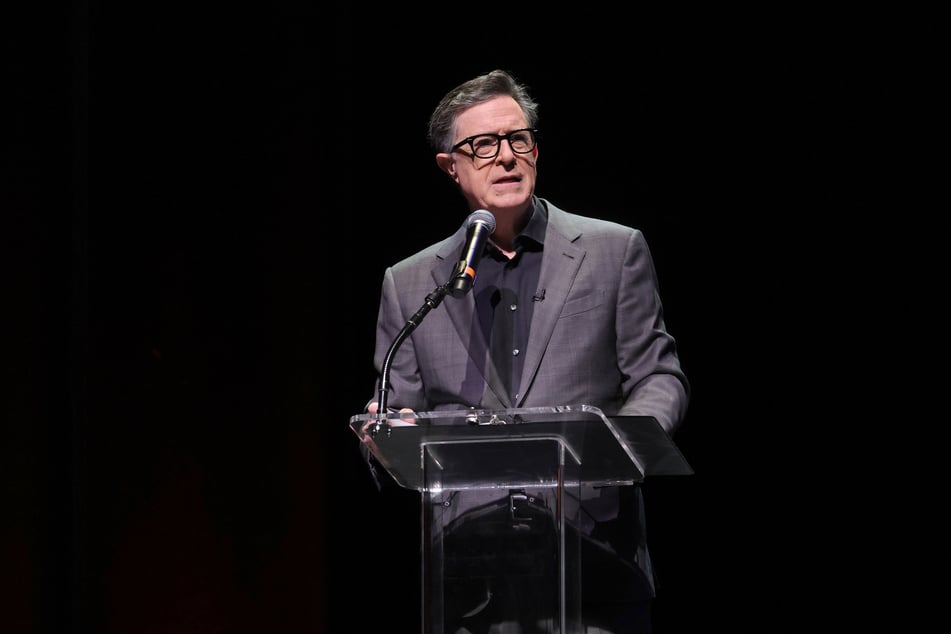
Colbert’s The Late Show is scheduled to end in May 2026, a decision his fans say smacks of censorship.
In a late-night Truth Social post, Trump wrote that Colbert “has actually gotten worse” since being “terminated by CBS, but left out to dry.”
“Stephen is running on hatred and fumes ~ A dead man walking! CBS should, ‘put him to sleep,’ NOW,” Trump wrote.
Kash Patel buys luxury armored car fleet in bizarre attempt to be “less conspicuous”
Colbert has hosted The Late Show since 2015, and it has been the highest-rated late-night talk show on US television. His opening monologues often take aim at the Republican president.
There was no immediate public response from Colbert or CBS to Trump’s post.
CBS announced the sunsetting of Colbert’s show after one more season in July, the same month its parent company reached a $16 million settlement with Trump. CBS called the cancellation “a purely financial decision.”
Trump had sued Paramount, alleging that CBS News’ 60 Minutes program deceptively edited an interview with his 2024 election rival, Kamala Harris, in her favor.
In another overnight post, Trump repeated threats to yank the broadcast licenses of networks whose content he deemed overly critical.
“If Network NEWSCASTS, and their Late Night Shows, are almost 100% Negative to President Donald J. Trump, MAGA, and the Republican Party, shouldn’t their very valuable Broadcast Licenses be terminated? I say, YES!”
On Sunday, CBS’s new editor-in-chief, Bari Weiss, pulled a 60 Minutes segment on alleged torture at El Salvador’s CECOT prison – where Trump sent hundreds of deported Venezuelans – saying it needed more reporting.
In August, Disney-owned ABC briefly suspended its late-night star, Jimmy Kimmel, before bringing him back on a one-year contract. Kimmel had annoyed conservatives with comments in the wake of the murder of right-wing activist Charlie Kirk.
Trump appears to be aiming to reshape the American media landscape, which he says is biased against conservatives.
His appointee to head the Federal Communications Commission Brendan Carr turned heads when he told a Congressional hearing that “the FCC is not formally an independent agency,” implying that his actions could justifiably be aligned with the political priorities of the White House.


