
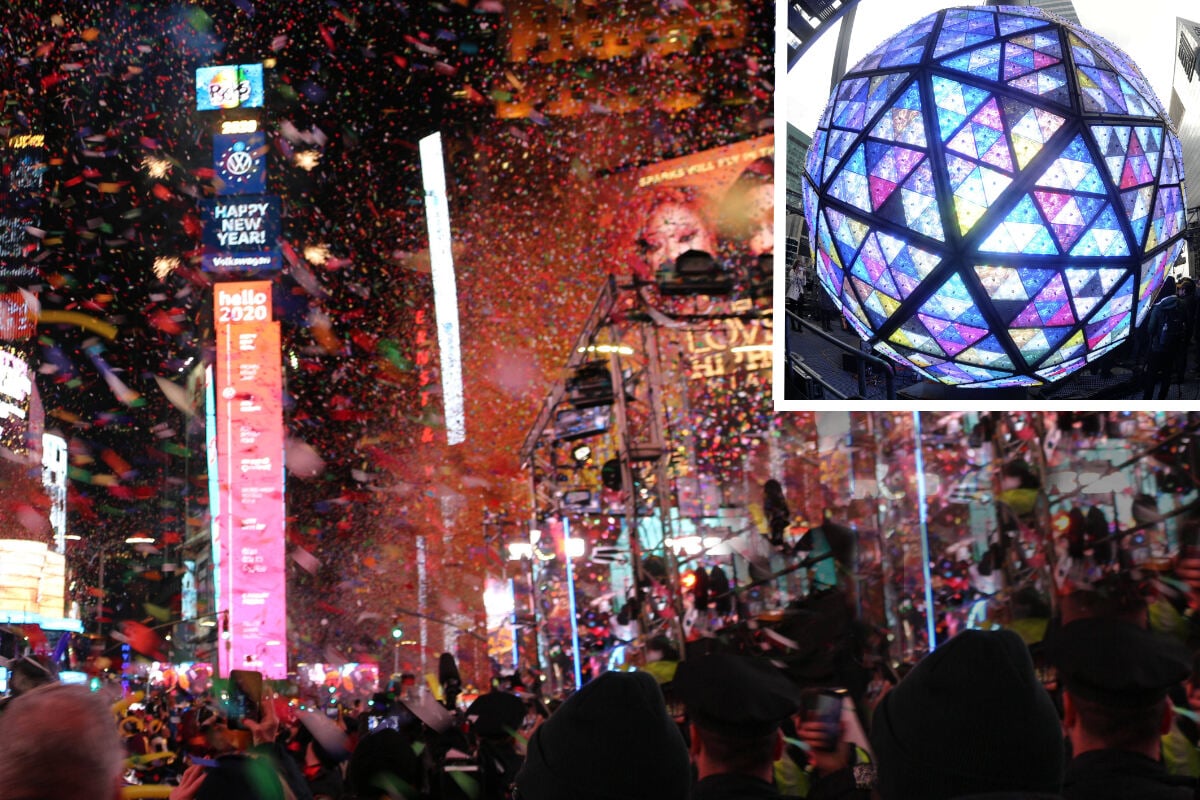
You won’t ball-eve the history of the Times Square New Year’s Eve ball drop!
It’s going down for New Year’s Eve 2026! TAG24 learned how a ball drop in Times Square came to be synonymous with ringing in the new year in the first place.
New York, New York – Drop it like it’s hot! Or, freezing cold.
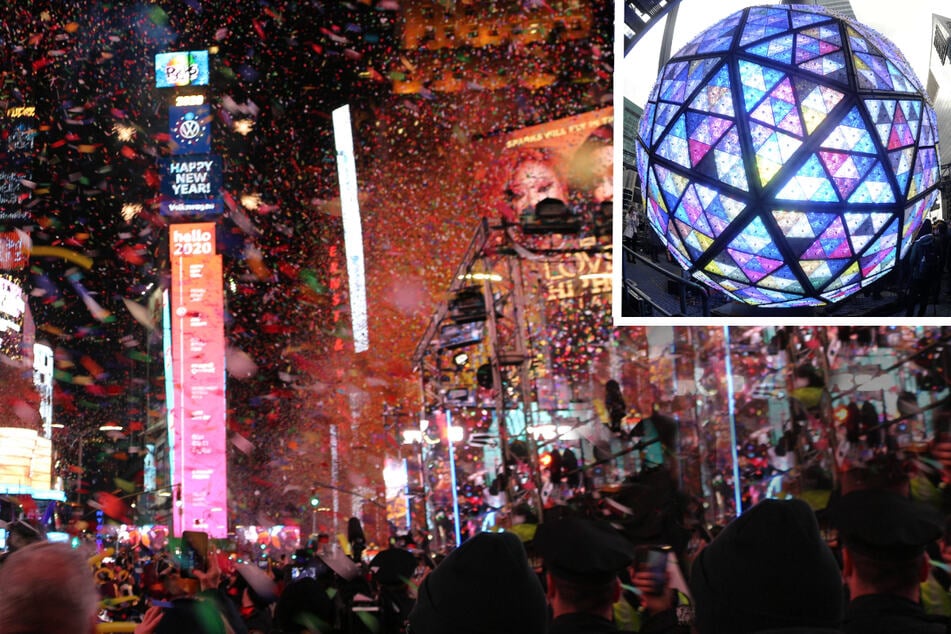
Standing outside for hours in frigid temperatures to watch the famed Ball Drop in New York City is an international phenomenon on New Year’s Eve, and a rite of passage on the bucket list of millions.
Plus, one billion more take in the spectacle on their TV screens annually.
But how did so many come to watch one little ball, anyway?

Prince Harry and Meghan Markle lose another key employee amid Archewell struggles
First, while it may look tiny, the light-up geodesic sphere measures twelve feet in diameter and weighs 11,875 pounds.
That’s a lot of heft to be hoisted, then plummeted on a 70-foot flagpole in sixty seconds each year.
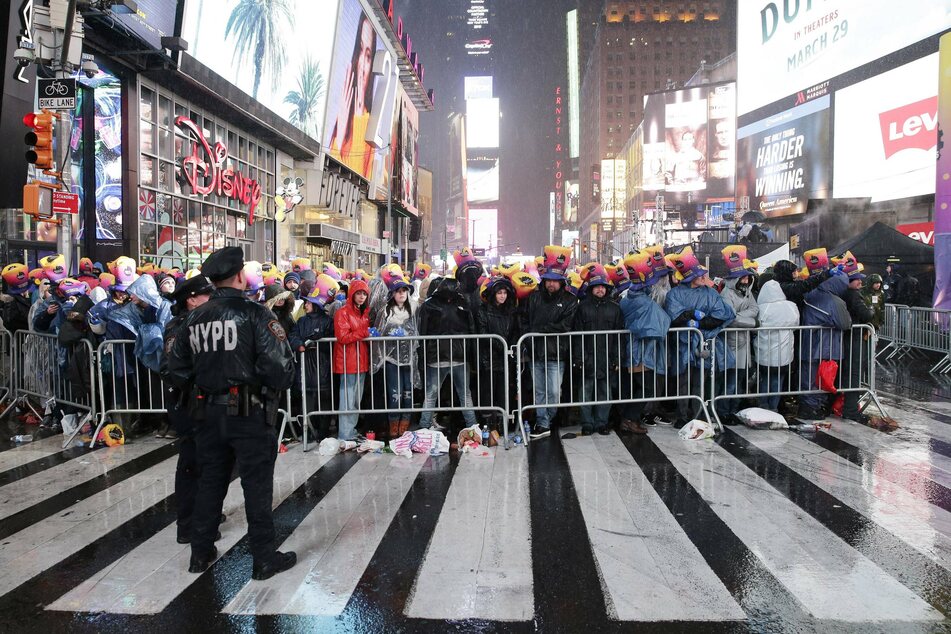
Many determined souls have journeyed to NYC from around the world to brave the winter cold and be corralled into “pens” – viewing sections from which revelers cannot leave once they’ve gotten a spot. (It’s made adult diaper wearing the secret to surviving the waiting stint, but that’s another, altogether nastier can of worms.)
Before the pandemic, approximately one million made the pilgrimage each year to take part in the glow from below One Times Square – and the numbers are finally back in that range!
Midnight is bookended by a countdown from 10 just before, and then a shower of 3,000 pounds of confetti to bask in afterward.
The pieces of confetti contain thousands of handwritten wishes from visitors to the New Year’s Eve Wishing Wall in Times Squre the week before New Year’s.
The history of the Times Square ball drop
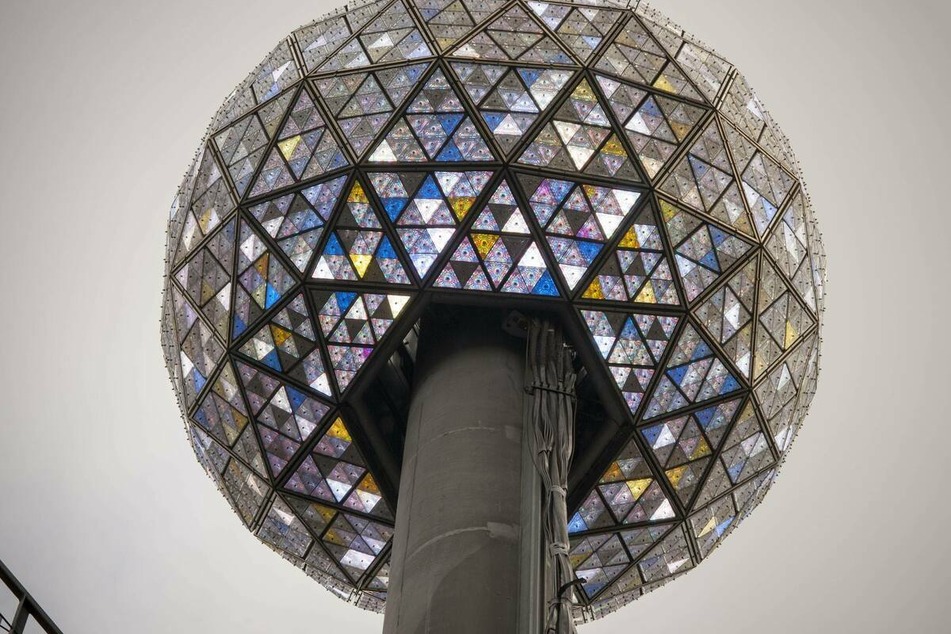
The Ball has been dropped every year in Times Square since 1907, with the exceptions of 1942 and 1943 when it was suspended due to a blackout during World War II.
Spectators worldwide will opt to take in the Ball’s thousands of Waterford crystals and tens of thousands of LED bulbs through their TV screens, staying warm and staying home.
Each year, the Ball is re-outfitted in its luminescent glory with 192 new crystal facets that represent themes for the new year.

George Clooney and wife Amal make surprise citizenship move
And in keeping the spirit alive, TAG24 learned how a ball came to be synonymous with ringing in the new year in the first place.
It’s going down
The idea of a ball “dropping” to show the passage of time actually goes back long before the Times Square celebration.
According to the Times Square Alliance, the first “time ball” appeared in 1833 on top of England’s Royal Observatory.
The ball dropped at 1 PM each day so that nearby ship captains could set their navigation instruments together in synchronized time.
The first New Year’s Eve party in Times Square was celebrated in 1904 to commemorate the opening of the city’s first subway line and the new headquarters of The New York Times – the Times Tower.
The publication’s owner had the surrounding area of the city renamed to honor the paper.
Fireworks were shot off from the base of the tower to celebrate NYE, but when the city banned the pyrotechnics two years later, the idea of lowering an illuminated ball at midnight was born.
The Times Square Ball Drop has inspired similar drops at other New Year’s Eve festivities across the country, lowering hundreds of peculiar and symbolic items.
Pennsylvania annually drops a stuffed beaver and a giant Pac-Man, North Carolina lowers a 900-pound acorn replica, and Florida plunges an oversized plastic tangerine and larger-than-life ruby slipper.
The Times Square Ball continues to be the pillar of New Year’s Eve centerpieces, and can be seen sparkling on display above the Crossroads of the World year round – but only on December 31st, at 11:59 PM, does it truly shine.


