
- The jury convicted Ibraheem Yazeed of murder and felony murder, avoiding a capital murder charge.
- Without a capital conviction, the death penalty is off the table for the 2019 killing.
- Attorney General Steve Marshall will push for Yazeed to receive life without parole.
- The case led to a constitutional amendment allowing judges to deny bail to violent offenders.
After years of waiting and a trial that gripped Alabama, the fate of Ibraheem Yazeed has been decided. The jury delivered a complex verdict, convicting him of murder but stopping short of a capital murder conviction that would have carried a possible death sentence.
The decision, reached on March 19, 2026, marks the end of a lengthy legal battle for the family of the 19‑year‑old Southern Union student, whose disappearance in 2019 sparked a national movement for justice reform.
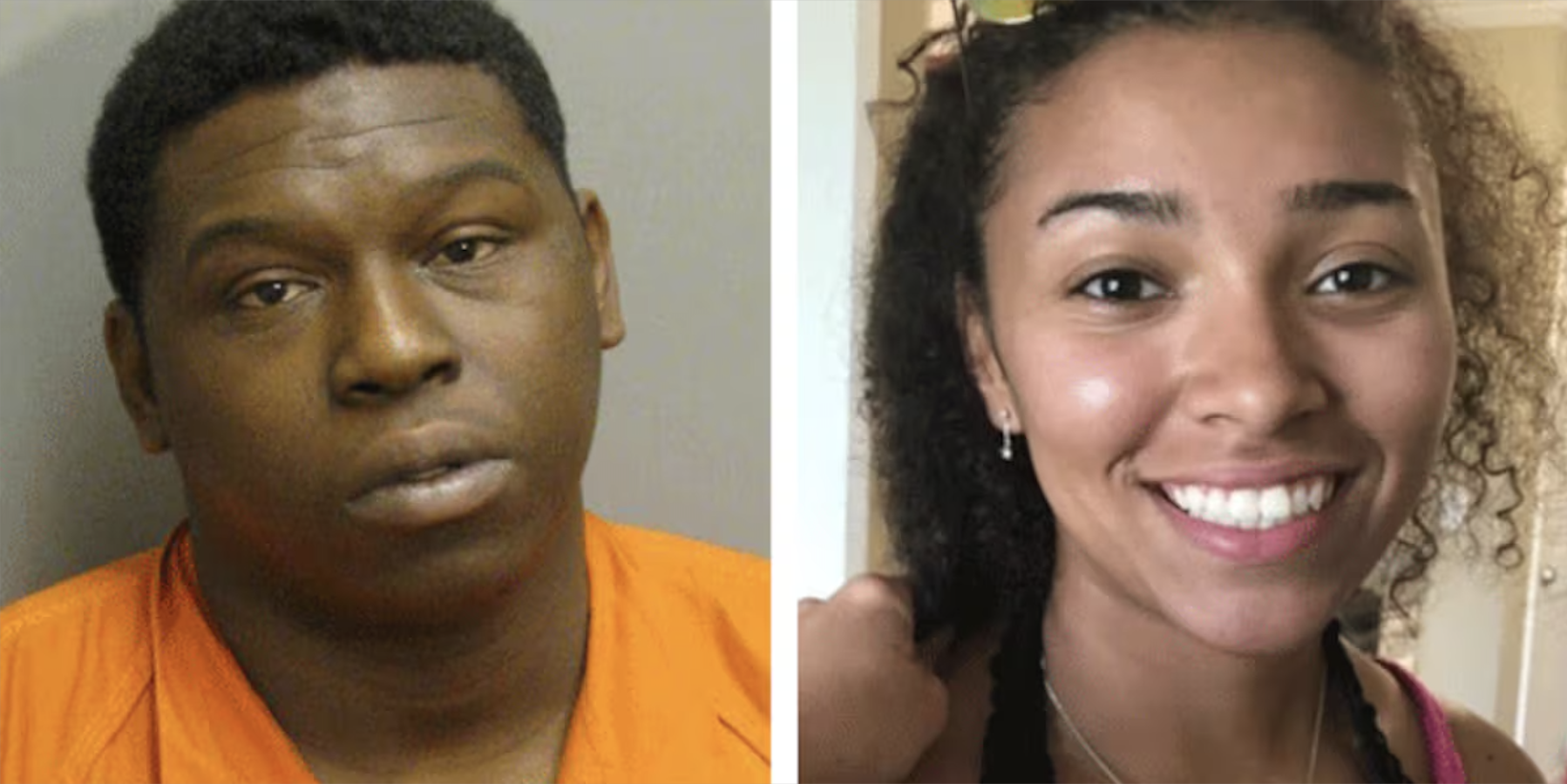
Jury Convicts on Lesser Murder Charges
After nearly seven years of anguish, the jury returned a verdict that found Yazeed guilty of murder and felony murder, bypassing the capital murder charges. This means they determined the 36‑year‑old caused Blanchard’s death but did not find the specific aggravating circumstances required for a capital conviction, such as that the murder was committed during a kidnapping or robbery in a way that met the strict legal threshold for the death penalty.
The panel deliberated for two days, sending notes to Judge Tom Young seeking clarification on the legal differences between murder and felony murder. Ultimately, they settled on the lesser included offenses, effectively sparing Yazeed from a potential death sentence, though he still faces life in prison.
Why No Capital Murder Conviction
The decision likely hinged on the jury’s interpretation of intent and the circumstantial nature of the evidence. While prosecutors argued Yazeed intentionally shot Blanchard in the head and dragged her body into the woods, the defense successfully sowed doubt by focusing on testimony from Antwon “Squirmy” Fisher, a convicted killer who admitted the gun “went off” during a struggle.
The defense hammered the point that if the shooting was accidental during a tussle, it did not qualify as capital murder. Coupled with the fact that the state’s case relied heavily on grainy surveillance video and cell phone records rather than direct eyewitnesses, the jury had enough reasonable doubt to reject the top charges.
Family’s Reaction to Verdict and Sentencing
For the family, including Blanchard’s stepmother, Jefferson County Probate Judge Yashiba Blanchard, the verdict brought a mix of relief and disappointment. Judge Blanchard previously described the loss as a “pain beyond words” and asked for continued prayers for the family as they navigated the pursuit of justice. Her father, Elijah Blanchard, and the victim’s mother have remained steadfast throughout the proceedings.
Alabama Attorney General Steve Marshall expressed disappointment that Yazeed avoided the death penalty but vowed to pursue the maximum sentence. “I pledge to do everything in my power to ensure that Ibraheem Yazeed spends the rest of his life in prison,” Marshall stated, emphasizing that the fight for justice was not over.
What Happens Next in Aniah Blanchard Case
While the guilt phase of the trial is complete, the legal journey is not finished. The trial will now move into the penalty phase, where the same jury will determine whether Yazeed receives life in prison without the possibility of parole. Given that the capital murder conviction was off the table, the death penalty is no longer an option.
Yazeed’s legacy will also continue through “Aniah’s Law,” the constitutional amendment passed in her name allowing judges to deny bail to violent repeat offenders. Yazeed was out on bond for a previous kidnapping at the time of the murder, making the law a crucial part of her family’s push for systemic change.
Also Read: Why Chappell Roan’s Security Confront an 11-Year-Old Fan? Singer Shares Her Side
Last Updated on March 23, 2026 by 247 News Around The World

